Facts on Using Too Many PMP Exam Prep Books for the PMP Exam
 What usually happens is that students preparing for the PMP exam try to go through too many PMP Exam Prep books or on-line courses thinking that they will be able to absorb everything that they watch and read. That is far from the truth. Too many books will, in fact, confuse you. Usually, one good exam prep book and one course are enough to complement the PMBOK® Guide. Studying the PMBOK® Guide is, of course, a must for any PMP student and no exam prep book is a substitute for it. It would be best if you also read the Agile Practice Guide. And don't forget to study the PMBOK® Guide Glossary. As boring as that may seem, you'll get to know and understand the terminology you need for the exam.
There are topics on the exam that are not mentioned in the PMBOK® Guide or the Agile Practice Guide but may appear on the exam. Many popular exam prep books cover these topics. But PMI adds new topics on an ongoing basis, so it's difficult to know what lies ahead on your exam. To be able to overcome this, it is wise to learn from others. Try to read PMP online forums where exam passers are more than willing to share their exam experiences. Read their lessons learned to hear what topics may appear. Spending time on PMP online forums can be an essential part of your preparation, but don't get carried away. Spending a few minutes daily reviewing and commenting on posts is usually sufficient.
So instead of muddling your brains with too many prep books, choose the one you like best to complement your PMBOK studies to ensure a successful exam.
To know the Essential PMP Certification Exam Study Materials, watch this video:
{youtube}LWafCIzAtCg{/youtube}
 The internet is full of sites and blogs that help you prepare for the PMP Exam. As part of your PMP Exam Prep, you should take advantage of the many free online sample exams. These will help you assess your readiness to take the actual exam.
 Classes that offer extensive and comprehensive coverage or the material required for the PMP exam should go onto your shortlist. The primary benefit of these sessions is that you can interact with the trainer (make sure that he/she is PMP certified) and with other project managers in the classroom studying alongside. This interaction ensures you get a firsthand experience of how to approach situations and the underlying principle that govern them.
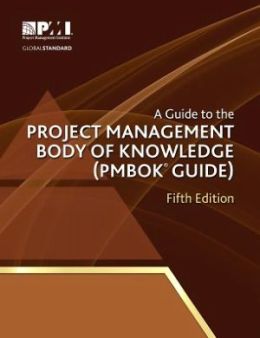 Remember that even though the Project Management Professional (PMP)® Exam is largely based on the Project Management Institute (PMI)®'s A Guide to the Project Management Body of Knowledge (PMBOK® Guide) you should not only know all of the concepts from here, but you must be able to analyze and answer the situational exam questions with a combination of practical project management knowledge and with what the PMBOK
 How would you feel if you fail the PMP Exam by just one question? Avoid this by using your exam time wisely. Here is one such strategy:
 Going into the PMP exam, it is always helpful to know that the exam is designed by experts who want to determine that you thoroughly understand the methods, processes, and principles of project management and how you would apply them in a given situation. Therefore, most of the exam questions revolve around a real-life scenario, and they are based on the PMBOK® Guide. That is why the PMP exam is a test of real-life project management practices, tools, techniques, and principles described in the PMBOK® Guide.
 As the saying goes: “Anything that can go wrong will go wrong”. Keep this in mind when preparing for the